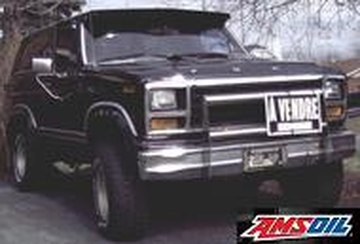
Engine Lubrication Care for the 1982 Jeep WAGONEER 5.9L
Maintaining a large-displacement engine requires consistent attention to lubrication quality and system integrity. For the 1982 Jeep WAGONEER equipped with the 5.9L engine, regular service is the primary method for managing the mechanical demands of an older, high-capacity power plant. Proper oil management helps mitigate the effects of heat and friction while ensuring that internal components remain adequately protected during operation.Monitoring Fluid Integrity and Potential Leaks
A fundamental aspect of maintaining this vehicle involves frequent visual inspections of the engine bay and undercarriage. Over time, various seals and gaskets may undergo changes in their physical properties due to thermal cycling and age. It is useful to inspect the area around the engine for any signs of fluid seepage or active leakage. When performing routine checks, look for wetness or residue on sealing surfaces. Identifying a small amount of seepage early can prevent more significant issues later. If you notice oil accumulating in specific areas, it warrants further investigation to determine the source. Additionally, checking the appearance of the lubricant itself is beneficial; if the oil appears excessively dark, gritty, or contains visible contaminants, it may indicate that the service interval has been exceeded or that there is an underlying issue with the engine's internal cleanliness.Observing Operational Indicators
Beyond visual inspections of the exterior, paying attention to how the vehicle behaves during operation provides critical information regarding its lubrication state. While many factors can influence engine performance, certain signs should be investigated promptly:- Changes in lubricant consumption: If you find that you are needing to add oil more frequently than usual between service intervals, this is a significant indicator that requires attention.
- Unusual mechanical sounds: Any new or persistent noises coming from the engine area can sometimes be associated with changes in lubrication levels or quality.
- Warning indicators: If any dashboard indicators related to oil levels or pressure illuminate, the vehicle should be inspected immediately to prevent potential damage.
- Exhaust observations: Changes in exhaust characteristics can occasionally be linked to how the engine is managing its lubricant.
Prioritizing Maintenance Based on Current Condition
For an older vehicle like the 1982 Jeep WAGONEER, maintenance strategies are often most effective when they are based on the actual condition of the machine rather than just chronological age or mileage alone. If you are stepping into ownership without a complete service history, establishing a baseline is a practical first step. This involves performing a comprehensive inspection of all fluids and belts (if equipped) to understand the current state of the vehicle. Once a baseline is established, maintenance priorities should be directed toward addressing any active concerns first. For example, if an inspection reveals evidence of seepage or aging hoses, these should be addressed before focusing on purely preventive measures. Reviewing any available repair records can also help you distinguish between what has been recently serviced and what may be approaching the end of its service life. This condition-based approach allows for more efficient management of the vehicle's upkeep.Managing Aging Engine Components
As vehicles age, certain components naturally become more sensitive to environmental factors and usage. When maintaining the 5.9L engine, it is wise to monitor the condition of various peripheral systems that support engine health. This includes inspecting accessible drive belts, if equipped, for signs of cracking, glazing, or fraying. Similarly, checking the condition of hoses and electrical connections can prevent unexpected interruptions in service. If the vehicle has a history of consistent maintenance, many components may remain in good working order. However, if the service history is unknown, it is prudent to treat aging materials with extra care. Rather than replacing parts simply because they are old, focus on inspecting them for actual deterioration. This helps avoid unnecessary expenditures while ensuring that critical systems remain reliable.The Role of Lubrication in Engine Longevity
Engine oil performs several vital roles that are essential for the continued operation of a large-displacement engine. Beyond simple lubrication to reduce friction between moving parts, the oil plays a significant role in heat management by helping to carry thermal energy away from high-temperature zones within the engine. Furthermore, modern lubricant formulations are designed to manage contaminants and prevent the buildup of deposits that can occur over long periods of operation. Maintaining clean, fresh oil helps ensure that the internal environment remains stable, which is particularly important for engines that may experience varying operating temperatures or heavy loads. Consistent adherence to a service schedule ensures that these protective qualities are maintained throughout the life of the engine.Practical Guidance for BUYING ENGINE OIL for your 1982 Jeep WAGONEER 5.9L
When it is time to replenish your lubricant, the most important step is to ensure the product matches the specific requirements of your application. Do not rely on general automotive knowledge or assumptions based on the vehicle's age to select a grade. Instead, match the engine oil to the application-specific viscosity information already displayed on this webpage. When you are ready to purchase, consider the following practical steps:- Verify the Label: Always check the product packaging to ensure the SAE viscosity and API service classifications align with the information provided for your specific 5.9L engine.
- Evaluate Formulations: Depending on your specific needs, you may choose between conventional, synthetic blend, or full synthetic oils. Some high-mileage oil formulations also contain additives intended for use in aging engines, including seal-conditioning additives.
- Check Certification: Ensure the oil meets the appropriate modern quality standards to provide the necessary protection and deposit control.